Shock absorbers do far more than simply “soften the ride.” Inside every shock is a precisely engineered hydraulic valving system that determines how the suspension responds to bumps, cornering loads, braking forces, and rapid wheel movement. Whether you want comfort, stability, performance, or a balanced combination of all three, shock absorber valving is what makes it possible.
This article explains what shock valving is, how it works, why it matters, and how choosing the right valving can transform your driving experience.
What Is Shock Absorber Valving?
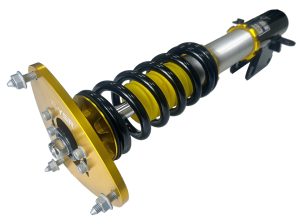
Shock absorber valving refers to the internal passages, shim stacks, and control mechanisms that regulate the flow of hydraulic fluid through the shock. By restricting or allowing fluid movement, the shock controls:
-
Compression damping — how the shock compresses when the wheel hits a bump
-
Rebound damping — how quickly the shock extends after compression
The interaction between these two damping forces determines everything from ride comfort to body control during dynamic driving.
How Shock Valving Works
Inside a typical gas or hydraulic shock absorber, a piston moves through fluid. Valving components — holes, check valves, shims, and adjusters — create resistance as fluid flows through the piston assembly.
Basic Valving System Components
-
Piston & shim stack — main carriers of damping force
-
Compression valve — controls force as the shock compresses
-
Rebound valve — controls force as the shock extends
-
Base valve (some designs) — additional control at lower piston speeds
-
Adjusters (on adjustable shocks) — allow tuning for comfort or performance
When a wheel hits a bump, compression valving slows the motion. When the suspension relaxes, rebound valving prevents the wheel from bouncing back too fast.
Why Shock Valving Matters
Correct valving gives your vehicle:
-
Stable handling
-
Reduced body roll, squat, and dive
-
Improved braking stability
-
Better tire contact with the road
-
Enhanced comfort over rough surfaces
Incorrect or worn valving leads to:
-
Excessive bouncing
-
Nose-diving under braking
-
Harsh impacts and vibrations
-
Poor traction and uneven tire wear
Types of Shock Valving
Different valving styles affect how a vehicle behaves at low, medium, and high piston speeds (bumps of varying size and severity).
Common Valving Styles
| Valving Type | Characteristics | Best For |
|---|---|---|
| Linear Valving | Damping increases steadily with speed | Standard comfort-focused shocks |
| Digressive Valving | High force at low speed, softer at high speed | Performance, sport tuning |
| Progressive Valving | Soft initially, firmer as speed increases | Off-road, heavy-duty use |
| Velocity-sensitive Valving | Adjusts based on fluid speed | Mixed comfort and control |
| Adaptive/active valving | Electronically controlled | Premium and modern vehicles |
Compression vs. Rebound Valving
These two forces must work in harmony.
Compression Controls
-
Initial bump absorption
-
Harshness over potholes
-
Body compression under braking or cornering
Rebound Controls
-
How fast the shock returns to its extended position
-
Ride stability after bumps
-
Tire grip during rapid suspension movement
Balanced Valving Ensures:
-
Smooth ride
-
Maximum traction
-
Controlled suspension movement
-
Reduced body motions
Symptoms of Poor or Failing Valving
Recognizing bad valving early prevents suspension damage and unsafe handling.
Common Warning Signs
-
Excessive bouncing after bumps
-
“Floating” or unstable feeling at high speeds
-
Harsh ride over small road imperfections
-
Nose dive during braking
-
Unusual knocking or clunking
-
Uneven tire wear
-
Poor cornering stability
If you experience any of these, it may be time to replace your shocks.
Choosing the Right Valving for Your Vehicle
Driving style and vehicle purpose should guide your decision.
Best Valving by Use Case
| Driving Style | Recommended Valving | Benefits |
|---|---|---|
| Daily comfort | Linear or velocity-sensitive | Smooth ride, good control |
| Sport/performance | Digressive or adjustable | Precise handling, reduced roll |
| Off-road | Progressive or heavy-duty | Better impact absorption |
| Towing/hauling | Firm compression & rebound | Stability under load |
Upgrading or Replacing Shock Absorbers

Modern shocks offer improved valving technology that can significantly enhance ride quality and performance. High-quality replacements often include:
-
Better fluid flow control
-
Reduced fade under heat
-
Improved rebound characteristics
-
Optional adjustability
If your suspension feels unstable or worn, you can buy Shock Absorbers online from a reliable supplier: buy Shock Absorbers online
Conclusion
Shock absorber valving is one of the most influential factors in how your vehicle feels and performs on the road. From absorbing bumps to maintaining tire contact and stabilizing the chassis, the right valving ensures both comfort and safety.
Understanding how valving works — and choosing the correct type for your driving style — can dramatically improve handling, ride quality, and long-term suspension durability. Whether you prioritize smooth cruising, sporty cornering, or rugged off-road durability, selecting properly valved shock absorbers will keep your vehicle riding at its best.