Shock absorbers play a critical role in keeping your vehicle stable, smooth, and safe on the road. But the shock absorber itself isn’t the only component that matters — its bushings are equally important. These small rubber or polyurethane mounts isolate vibrations, reduce noise, and ensure proper alignment between the suspension and chassis.
When shock absorber bushings wear out, the entire suspension system begins to suffer. From increased noise to dangerous handling instability, failing bushings can significantly affect your comfort and safety.
This article explains the signs of worn shock absorber bushings, why they matter, how failing bushings influence ride and handling, and when replacement becomes essential.
What Are Shock Absorber Bushings?
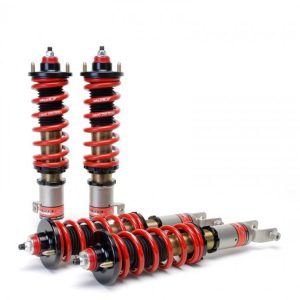
Bushings are cushioning components made from rubber or polyurethane. They sit at the mounting points of the shock absorber and serve to:
-
Reduce vibration transfer
-
Prevent metal-to-metal contact
-
Maintain correct shock alignment
-
Absorb small impacts
-
Allow controlled flexing of the suspension
Although inexpensive, bushings are essential to proper suspension performance.
Why Shock Absorber Bushings Wear Out
Bushings degrade due to:
-
Heat exposure from brakes and road friction
-
Constant movement of the suspension
-
Oil or fluid contamination
-
Road salt and environmental conditions
-
Natural aging and cracking
Once the bushings weaken, the shock absorber can no longer function correctly — even if the shock itself is still in good condition.
Common Signs Your Bushings Need Replacement
When bushings fail, your vehicle will show noticeable symptoms. Ignoring them can lead to expensive suspension damage.
1. Clunking, Knocking, or Metal-to-Metal Noise
This is the most common symptom. Worn bushings allow the shock absorber to move excessively, resulting in:
-
Clunks over bumps
-
Rattling during acceleration
-
Knocks when turning
2. Excessive Vibration in the Cabin
Bushings normally dampen vibrations. When they deteriorate, vibrations from the wheels and suspension transfer directly into the cabin.
3. Uneven or Rapid Tire Wear
Shocks cannot maintain correct geometry when bushings deteriorate, causing cupping, scalloping, or inconsistent tread wear.
4. Poor Handling and Instability
Worn bushings reduce suspension precision, leading to:
-
Swaying or wandering at highway speeds
-
Increased body roll in corners
-
Longer braking distances
-
Reduced traction
5. Visible Cracking or Separation
During inspection, you may find:
-
Cracked rubber
-
Missing chunks
-
Separated or collapsed bushings
-
Oil-soaked rubber (showing contamination)
6. Excessive Suspension Movement
If the bushing no longer holds the shock securely, the shock absorber can pivot or shift, causing unpredictable handling.
How Worn Bushings Affect Vehicle Safety
Shock absorber bushings directly influence:
• Steering Precision
Loose suspension components make the vehicle harder to control.
• Stability During Braking
The front end may dip more than normal, reducing stopping power.
• Cornering Grip
Bushings help keep the tires planted. Worn bushings decrease road contact.
• Ride Comfort
Without cushioning, even small bumps become harsh.
In short, worn bushings compromise both comfort and safety.
Bushing Types and Their Characteristics
| Bushing Type | Material | Benefits | Drawbacks |
|---|---|---|---|
| Rubber Bushings | Soft, flexible | Comfortable, quiet, inexpensive | Shorter lifespan, prone to cracking |
| Polyurethane Bushings | Firm, durable | Better handling precision, longer-lasting | Slightly harsher ride, may squeak |
| Hydraulic Bushings | Fluid-filled | Superior vibration control | More costly, can leak |
When Should You Replace Shock Absorber Bushings?
Replacement is recommended when:
-
Any noise is present during bumps
-
Bearings or mounts show visible cracking
-
Alignment issues keep recurring
-
Tire wear becomes uneven
-
Steering feels loose or unstable
-
Suspension movement seems excessive
Most vehicles require bushing replacement every 80,000–120,000 km, but harsh environments may shorten the lifespan.
Why Timely Replacement Matters
Replacing shock absorber bushings prevents:
-
Premature shock absorber failure
-
Damage to suspension arms and mounts
-
Expensive alignment corrections
-
Tire replacement costs
-
Dangerous handling behavior
Fresh bushings restore the proper connection between chassis and suspension — protecting the entire system.
Replacing Shock Absorbers and Bushings Together
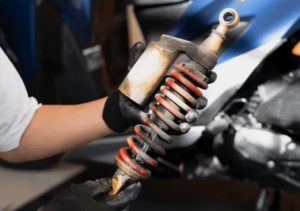
Although bushings can be replaced separately, many drivers choose to replace the entire shock assembly when:
-
Shocks are old or leaking
-
Ride comfort has noticeably declined
-
Suspension noises persist
-
The vehicle has high mileage
If your shocks are worn or bushings have failed, you can buy Shock Absorbers online for a complete, long-lasting solution: buy Shock Absorbers online
Conclusion
Shock absorber bushings may be small, but they play a major role in suspension performance and vehicle safety. When they wear out, symptoms such as clunking, vibration, uneven tire wear, and poor handling begin to appear — signals that should never be ignored.
Timely replacement of worn bushings restores ride comfort, improves steering precision, and protects other suspension components from damage. For high-quality parts and a smoother, safer driving experience, ensure your shock absorber bushings are inspected regularly and replaced as needed.