Shock absorbers are one of the unsung heroes of your vehicle’s suspension system. They play a vital role in ride comfort, handling stability, and overall safety. But a question many drivers ask is: How long do shock absorbers really last? While manufacturers often provide general mileage estimates, real-world conditions can tell a different story. This article explores the factors that affect shock absorber lifespan, provides realistic expectations, and offers tips for maintenance and replacement to help you understand the true picture behind shock absorber longevity.
If it’s time to replace your shocks, you can Buy Shock Absorber online — a convenient way to find the right parts for your vehicle.
What Do Shock Absorbers Do?
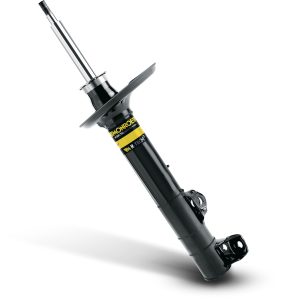
Shock absorbers, also known simply as “shocks,” are critical for controlling the movement of your vehicle’s suspension. Their key roles include:
-
Damping spring oscillation to prevent excessive bouncing
-
Maintaining tire contact with the road
-
Improving braking performance
-
Enhancing vehicle stability during cornering and maneuvers
-
Reducing wear on other suspension components
Understanding how shocks work helps explain why their wear rate can vary so much between drivers.
Manufacturer Mileage Ratings vs Real Driving Conditions
Many automotive manufacturers and service shops provide shock absorber lifespan guidelines, often expressed in miles. A typical warranty or recommendation might state:
| Source | Suggested Mileage |
|---|---|
| Manufacturer Spec Sheet | 50,000–80,000 miles |
| Mechanic Consensus | 40,000–60,000 miles |
| Off-Road & Heavy Use | 20,000–30,000 miles |
| Highway & Light Use | 70,000–90,000+ miles |
While these figures can be helpful, they are general guidelines, not guarantees. Real-world wear patterns depend heavily on driving conditions, vehicle load, and maintenance habits.
What Affects Shock Absorber Lifespan?
Let’s explore the main factors that influence how long shock absorbers really last.
1. Driving Conditions
-
Smooth highways: Less stress and longer life
-
City streets: Frequent stops and potholes increase wear
-
Off-road use: Extremely harsh on shocks
-
Heavy loads/towing: Additional strain accelerates deterioration
2. Road Quality
Rough or poorly maintained roads shorten shock life. Each bump and pothole forces the shocks to work harder to absorb impact.
3. Vehicle Load
Regularly carrying heavy loads or towing increases pressure on shocks. Commercial or utility vehicles generally experience faster shock wear.
4. Climate and Environment
Extreme temperatures affect oil viscosity inside the shock absorber. Salt, moisture, and corrosion also degrade components over time.
5. Driving Style
Aggressive acceleration, sharp cornering, and hard braking all put more stress on the suspension system.
Signs Your Shock Absorbers Need Replacement
How can you tell if your shocks are worn? Here are common indicators:
Visual & Performance Symptoms
-
Excessive bounce after hitting a bump
-
Swaying or body roll during turns
-
Nose dive under braking
-
Uneven tire wear
-
Oil leaks on shock bodies
-
Clunking or rattling noises
-
Longer stopping distances
If you notice these signs, it’s wise to inspect your shocks and suspension system.
Mileage vs Reality: A Closer Look
Here’s a more realistic comparison of expected shock absorber life vs common real-world results.
| Condition | Expected Life (Miles) | Real-World Average |
|---|---|---|
| Light highway use | 70,000–90,000 | 80,000–100,000+ |
| Mixed driving | 50,000–70,000 | 40,000–80,000 |
| Heavy urban & potholes | 40,000–60,000 | 30,000–60,000 |
| Rough terrain/off-road | 20,000–40,000 | 15,000–45,000 |
Why the differences? Manufacturer estimates assume ideal conditions. Most drivers encounter a mix of urban streets, highways, and seasonal weather, which shorten shock life compared to perfect road conditions.
How to Extend the Life of Your Shock Absorbers
While shocks are wear-and-tear items, you can still maximize their lifespan with smart practices:
Maintenance Checklist
-
Regular suspension inspections every 12,000–15,000 miles
-
Check for leaks and worn hardware
-
Maintain proper tire pressure
-
Replace in matched pairs (front or rear together)
-
Avoid excessive loads and aggressive driving where possible
-
Monitor tire wear patterns for early signs of suspension issues
Choosing the Right Shock Absorbers
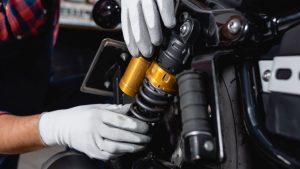
When it’s time to replace your shocks, selecting high-quality components makes a big difference. Consider:
Vehicle type and weight
Driving habits and road conditions
Shock type: gas charged, monotube, twin-tube, adjustable, or performance models
Brand reputation and warranty
You can easily compare and Buy Shock Absorber online to find options that match your vehicle and driving needs.
Shock Absorber Types: Quick Comparison
| Shock Type | Pros | Cons |
|---|---|---|
| Twin-Tube | Comfortable, budget-friendly | Heat buildup faster |
| Mono-Tube | Better heat dissipation | Usually more expensive |
| Gas-Charged | Stronger damping, reduced aeration | Higher cost |
| Adjustable/Performance | Tunable ride/handling | Premium pricing |
Choosing the correct type helps ensure you get better performance and longer life from your suspension.
Conclusion
Shock absorbers do not have a one-size-fits-all lifespan. While manufacturer recommendations often fall between 50,000 and 80,000 miles, real-world conditions can push them beyond 100,000 miles or bring about failure much sooner. Driving style, road conditions, vehicle load, and environmental factors all shape the reality of shock absorber wear.
By recognizing warning signs early and maintaining your suspension system, you can extend the life of your shocks and improve driving comfort and safety. When replacement is needed, investing in quality parts tailored to your vehicle and driving habits is crucial. Be sure to Buy Shock Absorber online to find reliable options and keep your vehicle performing at its best.
Understanding the mileage vs the real world helps you make smarter decisions — and ensures your ride stays smooth and controlled, mile after mile.